What an awful title, right? And no — it’s not clickbait. It’s the truth.
I was adopted as a child, but for reasons I’ve never fully understood (perhaps out of sympathy for my biological mother), my adoptive family allowed me to stay in touch with her. Her name was Pat.
That connection gave me a distant but lasting relationship with her. Pat was extraordinarily intelligent — easily smart enough to be in Mensa — but, strangely, she seemed to lack common sense. Without going into too much detail, let’s just say that due to certain choices and circumstances, my siblings and I were removed from her care and placed into the system. I was just two years old at the time — far too young to understand what was happening.
Pat had a deep love for history. So much so that she painstakingly traced and documented the entire British Royal Family tree, from Queen Elizabeth and Prince Philip back to King Harold and the Battle of Hastings in 1066. She could tell you who married whom, who ruled when, and what happened on nearly every important date throughout the centuries. She was a walking history book — much to the bemusement (and occasional eye-roll) of anyone who asked her about it.
As for me, I liked to think of myself as someone who’d seen through the illusion of the rat race. The “woke” type — not in the neo-liberal sense, but more like a jester laughing at the absurdity of it all. I’d scoff at the idea of suited commuters riding the Tube to jobs they hated, chasing the dream of a four-bedroom semi in Surrey, a Jaguar on the drive, and two holidays a year to Spain and France. A life of quiet dissatisfaction. I thought I was above that.
And yet — despite all my self-awareness — I quietly judged my mother.
Here was this woman with an incredible mind, and yet she’d spent over 50 years living in the same council flat. She never held down a full-time job. She never did what society might call “something with her life.” At least, that’s what I believed.
Then one day, I got a call from my eldest brother, Brian.
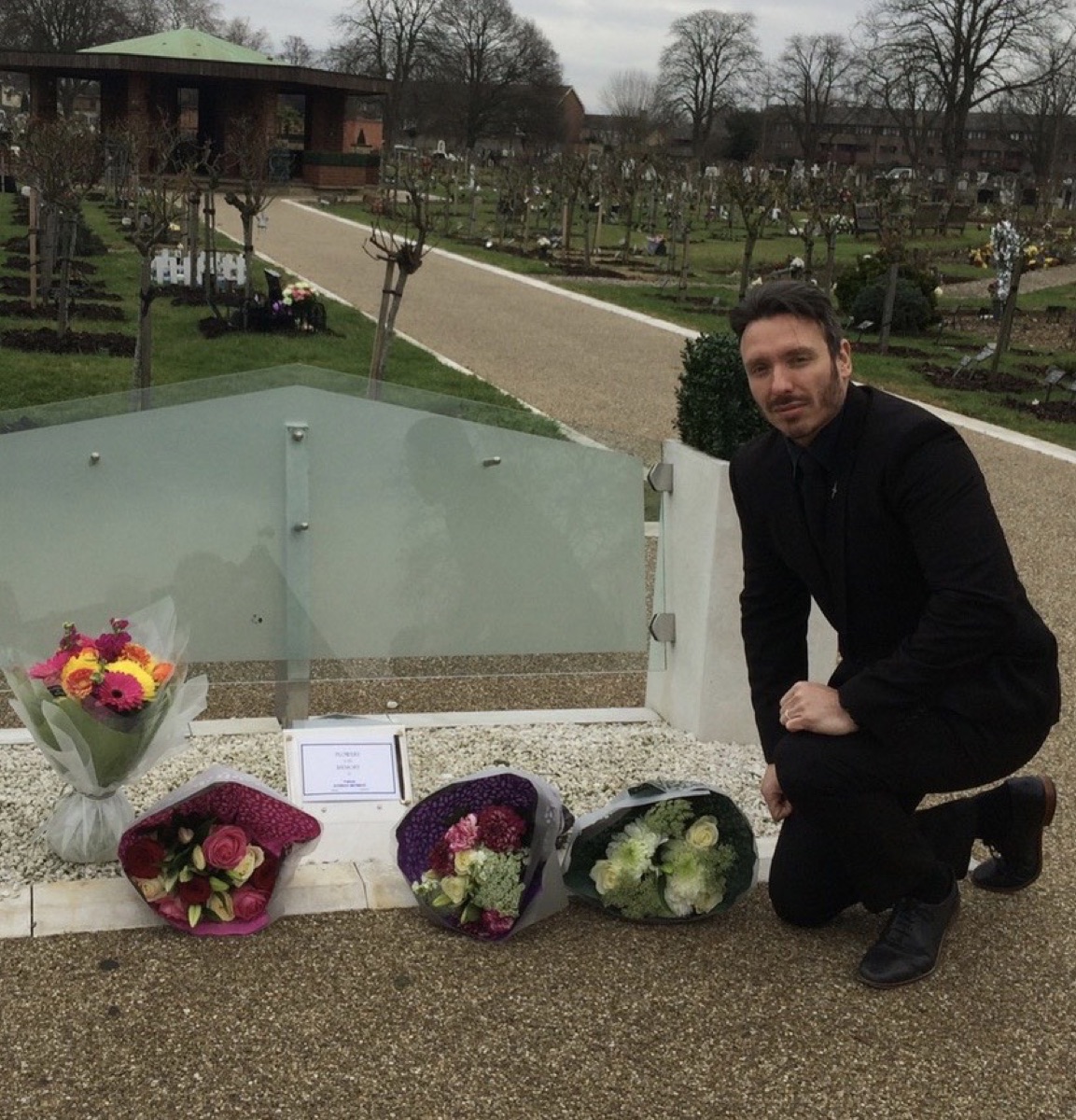
Pat had passed away, suddenly. I’d seen her only a week before. We were making plans — I was going to help her get on top of a few things.
But that was it. She was gone.
At her wake, I saw something I wasn’t prepared for.
Over 200 people showed up. Most of them were from her council estate or her church. I know people tend to say nice things about the deceased, but what I heard that day stopped me in my tracks.
It turns out my mother had lived a double life.
Her flat — which I’d written off as cluttered and messy — was packed with what I thought was junk. In reality, it was clothing and household items she had bought from jumble sales. She spent her own money buying up items at these sales so the churches could keep the proceeds. And she stored all of it — thousands of items — in her tiny flat, ready to be repurposed, donated, or redistributed.
She wasn’t a hoarder. She was a one-woman charity operation.
And it didn’t stop there.
Pat had quietly devoted her life to service. She helped organize events for churches. She looked after people on her estate — babysitting, caring for the elderly, running errands, listening when they had no one else to talk to.
She never asked for recognition. Never sought praise.
And there I was, standing in front of 200 people who had all been touched by this woman — my mother — and I was speechless. I’d written a eulogy, but suddenly, it felt meaningless.
I had judged her by the same standards of success I claimed to reject. I’d fallen for the very illusion I laughed at. And yet, here was Pat — quietly living a life of meaning, love, and service, without ever posting it online or needing anyone to notice.
That was her final and most powerful lesson to me.
So the next time you find yourself judging someone’s life, their choices, or their version of success, stop. You might not understand their path. You might not even see the good they do.
But that doesn’t mean it’s not there.
Thank you, Mum. I hope I never forget what you taught me — and I hope I learn to live by it.